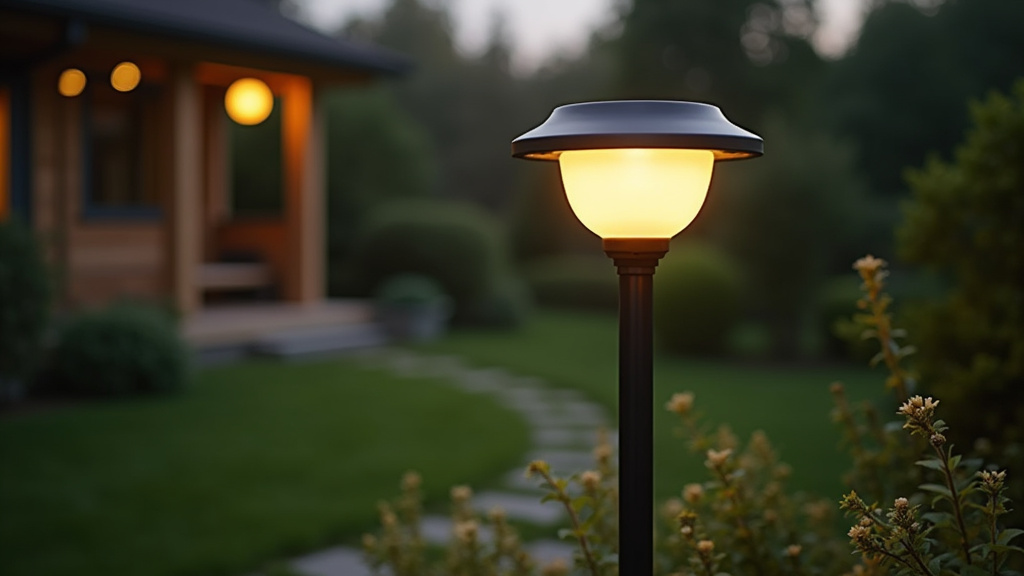
At a glanceSolar lighting systems use the power of the sun to illuminate outdoor spaces, offering an eco-friendly alternative to traditional electricity. These systems are increasingly popular, with a global market growth of 20% from 2020 to 2025, as people seek sustainable solutions. They’re especially beneficial for remote areas, reducing reliance on diesel generators, and providing reliable, cost-effective lighting for communities with limited grid access.
Key Takeaways
Solar lighting systems can reduce energy costs by up to 75% compared to traditional lighting, according to a 2020 study by the U.S. Department of Energy.
In regions with high sunlight exposure, solar-powered lights can operate efficiently with minimal maintenance, eliminating the need for grid electricity.
A well-designed solar lighting system can extend battery life up to 25 years, ensuring longevity and reduced replacement costs.
The initial investment in solar lighting is often offset by utility bill savings, with some systems paying for themselves within 3 to 5 years.
Solar lights are versatile, suitable for various applications from outdoor pathways and gardens to remote areas and off-grid communities.
Integrating solar lighting with smart controls enhances energy efficiency, allowing for automated adjustments based on time of day and occupancy.
The global solar lighting market is projected to grow at a CAGR of 18.5% from 2022 to 2030, driven by increasing environmental concerns and government incentives.
The global shift towards sustainable energy solutions has brought the systems to the forefront, offering a promising path towards efficient and environmentally friendly illumination. However, the transition is not without challenges. Many organizations face obstacles in implementing these systems, from initial installation costs to maintaining best performance over time. This article examines the technical intricacies, market dynamics, and real-world applications of the systems, drawing from🔝🔝🔝
Solar Lighting Systems: Where to Start
Looking for solar lighting systems? Solar Path USA can answer your questions directly.
- Understanding Solar Lighting System Basics
- Design, Installation, and Maintenance Considerations
- Benefits and Applications: Illuminating with the Sun
Understanding Solar Lighting System Basics

The systems, while seemingly a simple concept, involve an intricate interplay of hardware, energy conversion, and application. At their core, these systems use the power of the sun through photovoltaic (PV) panels, converting sunlight into electricity to power light-emitting diodes (LEDs). This technology offers a sustainable and increasingly cost-effective alternative to traditional lighting, especially in off-grid and remote locations.
A key advantage of the systems is their longevity. LED parking lot lights, for instance, can last 50,000 hours or more with proper maintenance, significantly outpacing their electric counterparts. This extended lifespan reduces maintenance costs and the environmental impact associated with frequent light replacement. With advancements in solar panel efficiency, such as those seen in SunPower Corporation’s Maxeon cells, the overall system lifespan is extended.
However, questioning the worth of solar lighting isn’t uncommon. Critics often point to upfront costs, but the narrative shifts when considering the long-term savings. According to the Global Solar Market Report by IEA, the average cost of solar electricity has fallen by 82% since 2010, making it competitive with conventional power sources in many regions. Take, for instance, a recent Nursery School Installation project in a remote village; while the initial investment was high, the system paid for itself within three years through reduced electricity bills, and the school now enjoys reliable, clean lighting.
Yet, solar lights don’t always last indefinitely. Why do they fail? The culprit is often not the solar panel itself but components like the battery, controller, or LED driver. These parts, especially in lower-quality systems, can degrade over time, affecting the overall efficiency and life of the system. A well-designed off-grid solar solution, like those offered by Tesla Energy, balances these components to extend their lifespan. Regular maintenance, including cleaning panels and checking connections, also plays an important role in ensuring the system operates at peak efficiency for years.
Design, Installation, and Maintenance Considerations

When designing, installing, and maintaining the systems, considerations go beyond the initial setup. Choosing the right brand is important; for instance, SunPower Corporation offers premium panels with high efficiency rates, making them ideal for maximizing sunlight capture in diverse climates. Yet, even the best solar lighting brand may not perform bestly without proper installation. A recent Global Solar Market Report highlighted the importance of skilled installers, noting that professional installations can increase system efficiency by up to 20%.
Consider the case of a nursery school installation where off-grid solar solutions were employed. The system, designed to power the school’s lighting and basic computer systems, required careful planning to account for fluctuating daylight hours during the school year. By integrating Tesla Energy’s advanced energy storage solutions, the school achieved reliable, consistent power even during periods of minimal sunlight. However, the longevity of any solar lighting system depends on maintenance. Regular checks for dust buildup, especially in parking lot lights, can significantly enhance performance. According to an IEA study, proper cleaning and maintenance can extend the lifespan of solar panels by up to 15 years.
Yet, a common challenge in solar lighting is the perception that systems fail quickly. While individual components may require periodic replacement, the overall system can endure for decades with the right care. Industrial facility upgrades have shown that well-maintained solar lights can operate for 25 years or more, providing a substantial return on investment. To prevent premature failures, it’s essential to address any issues promptly. The first sign of trouble may be a noticeable decrease in lighting intensity; at this point, a thorough inspection by a qualified technician can often identify and resolve the problem before it escalates. By adhering to these best practices, the systems can fulfill their potential as sustainable, cost-effective solutions for various applications, from smart city infrastructure to remote village electrification, contributing to global sustainable urban development and the achievement of the Sustainable Development Goals (SDGs).
| Factor | What to know |
|---|---|
| Energy cost savings | Reduces energy costs by up to 75% compared to traditional lighting |
| Battery lifespan | Well-designed systems can extend battery life up to 25 years |
| Payback period | Some systems pay for themselves within 3 to 5 years |
| Market growth rate | Projected to grow at a CAGR of 18.5% from 2022 to 2030 |
| LED lifespan | LED parking lot lights can last 50,000 hours or more |
| Maintenance importance | Regular cleaning and checks can extend panel lifespan by up to 15 years |
Benefits and Applications: Illuminating with the Sun

The systems offer a clean, efficient, and sustainable alternative to traditional electric lighting, useing the power of the sun to illuminate our spaces. The benefits are clear: reduced energy costs, lower carbon footprints, and increased energy independence. These systems have seen widespread adoption, from remote village electrification to smart city infrastructure. The Global Solar Market Report by the International Energy Agency (IEA) projected a 22% growth in solar capacity between 2021 and 2026, highlighting the rapid acceptance of solar lighting as a viable solution.
One of the most significant advantages of solar lighting is its versatility in applications. Retail stores, industrial facilities, and even nursery school installations have successfully transitioned to solar power. Amazon Web Services (AWS) has embraced sustainable urban development by integrating solar lighting into its data centers, reducing their energy consumption and operational costs. However, what are the potential downsides? Solar lights may require significant upfront investment, and their effectiveness can be hindered by cloudy weather or poor placement. The lifespan of solar components can vary, with some high-quality systems lasting two decades or more, while others may require replacement after a few years, adding to the long-term cost.
While the systems are solid, they are not without challenges. The efficiency of solar panels degrades over time, and the initial installation can be complex, requiring specialized knowledge and equipment. Alternatives such as LED lighting with energy storage solutions can offer comparable energy efficiency and greater flexibility, especially in areas with inconsistent sunlight. However, solar lights continue to gain traction due to their environmental benefits. According to the Sustainable Development Goals (SDGs), renewable energy, including solar, is important for off-grid communities and healthcare facilities, playing a vital role in achieving global sustainability objectives.
To maximize the benefits of solar lighting, careful planning and regular maintenance are key. Regular cleaning of panels and monitoring of system performance can significantly extend their lifespan. Integrating smart city infrastructure allows for real-time data analysis, optimizing energy usage and reducing waste. As technology advances, the efficiency of solar panels improves, and costs continue to decline, making the systems an increasingly attractive option for businesses and communities worldwide.
Frequently Asked Questions About Solar Lighting Systems
What are the systems and how do they work?
The systems use the power of the sun using photovoltaic (PV) panels to convert sunlight into electricity. This clean, renewable energy powers lights, either directly or through a battery storage system. When the sun shines, the PV panels generate direct current (DC) electricity, which is then converted to alternating current (AC) by an inverter to power standard lighting fixtures. This technology offers a sustainable alternative to traditional grid-tied lighting, reducing energy costs and carbon footprints.
Are the systems cost-effective?
Absolutely. While the initial investment can be higher than conventional lighting, the systems offer significant long-term savings. Lower electricity bills, especially in remote areas without access to the grid, make them a financially viable option. Many governments and organizations provide incentives, grants, or tax credits for installing renewable energy systems, further enhancing their affordability. Over time, the savings can offset the initial cost, making solar lighting a smart financial decision.
Can the systems be used outdoors only?
Not at all. Solar lighting technology has advanced significantly, allowing for a wide range of applications, both indoors and outdoors. Outdoor solar lights, such as garden lights, path lights, and street lamps, are popular choices for illuminating paths, gardens, and public spaces. However, solar panels and lights designed for indoor use also exist, providing energy-efficient lighting solutions for homes and commercial spaces. These interior applications use natural daylight and reduce reliance on grid electricity.
How do I maintain a solar lighting system?
Maintenance requirements are minimal. Regular cleaning of the solar panels to ensure they’re free from debris or dust is essential for best performance. This can be done periodically with a soft brush or cloth. Other than that, most solar lights are designed to be durable and require little to no maintenance. Battery-based systems may need occasional checking and replacement, but modern systems often come with long-lasting batteries.
What are the environmental benefits of solar lighting?
Solar lighting significantly reduces the carbon footprint associated with traditional lighting and electricity generation. By relying on renewable solar energy, these systems decrease greenhouse gas emissions and dependency on non-renewable energy sources. This helps preserve natural resources, reduces pollution, and contributes to a more sustainable future. Solar lighting can be particularly beneficial in remote areas, where diesel generators or kerosene lamps are commonly used, offering a cleaner and more affordable alternative.
Are there any challenges or limitations to consider?
One challenge is that the systems depend on sunlight availability, which can be inconsistent. In regions with limited sunlight or during cloudy days, the efficiency of these systems may decrease. However, battery storage solutions mitigate this issue by providing backup power. Another consideration is the initial cost, which can be higher than traditional lighting, but as mentioned, long-term savings and incentives often make up for this. Proper placement of solar panels is also important for best performance.
The systems offer a sustainable and efficient solution to illuminate our world, and this article has provided a practical guide to achieveing their full potential. By understanding the technical aspects, from design and installation to maintenance, we can ensure best performance and longevity. The benefits are vast, impacting both urban and remote areas, with applications ranging from smart city infrastructure to off-grid schools and healthcare facilities. This technology is not just a niche interest but a viable, scalable solution, as evidenced by the global solar market’s steady growth and renewable energy investment trends. With the right approach, we can use the sun’s power to create a brighter, more sustainable future, empowering communities worldwide.
consider the impact of implementing The systems in developing communities. It could bring about improved access to education and healthcare, aligning with the Sustainable Development Goals, and significantly enhance the quality of life for countless individuals.