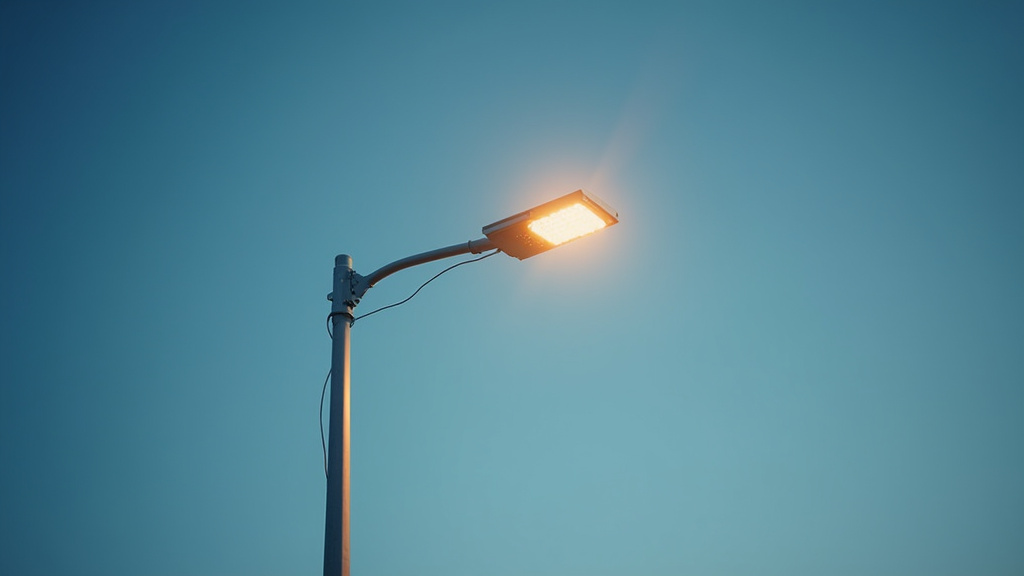
Solar Lighting Systems: Illuminating a Sustainable Future
Solar lighting systems harness the power of sunlight to provide clean, renewable energy for lighting. This technology offers a sustainable alternative to traditional electricity, reducing carbon footprints and offering long-term cost savings. As global efforts to combat climate change intensify, solar lighting is becoming increasingly vital in creating a greener future.
Why Solar Lighting Matters:
Imagine communities with reduced electricity bills, less reliance on fossil fuels, and cleaner air. Solar lighting makes this vision a reality by:
- Reducing Carbon Emissions: By relying on the sun, we decrease our dependence on burning fossil fuels for energy, significantly lowering greenhouse gas emissions.
- Saving Money: Solar lighting systems can pay for themselves over time, offering long-term savings on electricity bills.
- Providing Energy Independence: Communities and individuals can gain control over their energy sources, lessening vulnerability to fluctuating fuel prices and power outages.
- Promoting Sustainability: We can preserve natural resources for future generations while creating a more environmentally responsible world.
Frequently Asked Questions (FAQs)
1. How do solar lighting systems work?
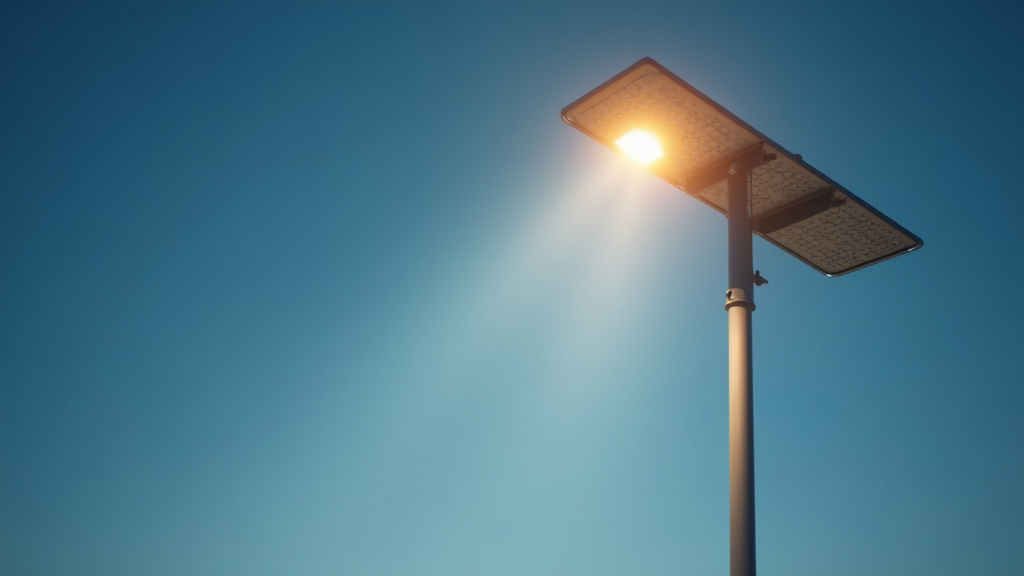
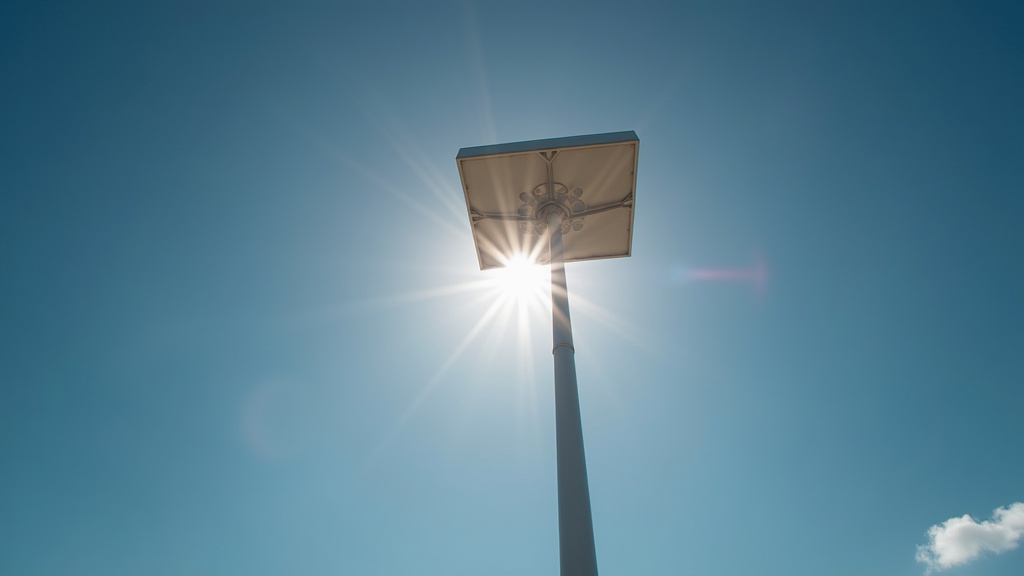
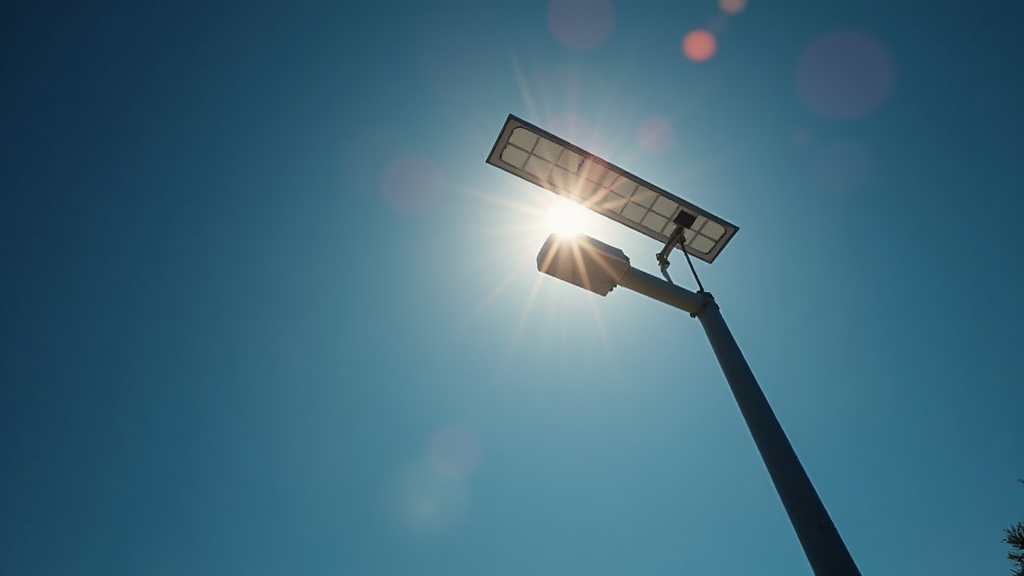
Solar lighting systems utilize photovoltaic (PV) panels, which capture sunlight and convert it into electricity. This electricity powers lights and other electrical devices. When the sun shines, the PV cells generate direct current (DC) power, which is then converted to alternating current (AC) power by an inverter for use in standard lamps and fixtures.
2. What are the different types of solar lighting systems?
Solar lighting comes in various forms:
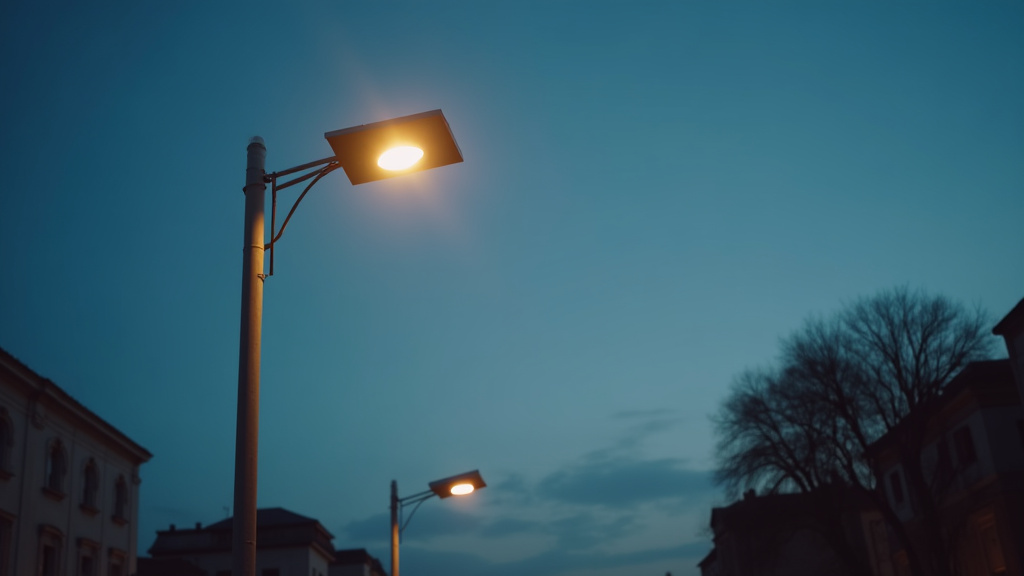
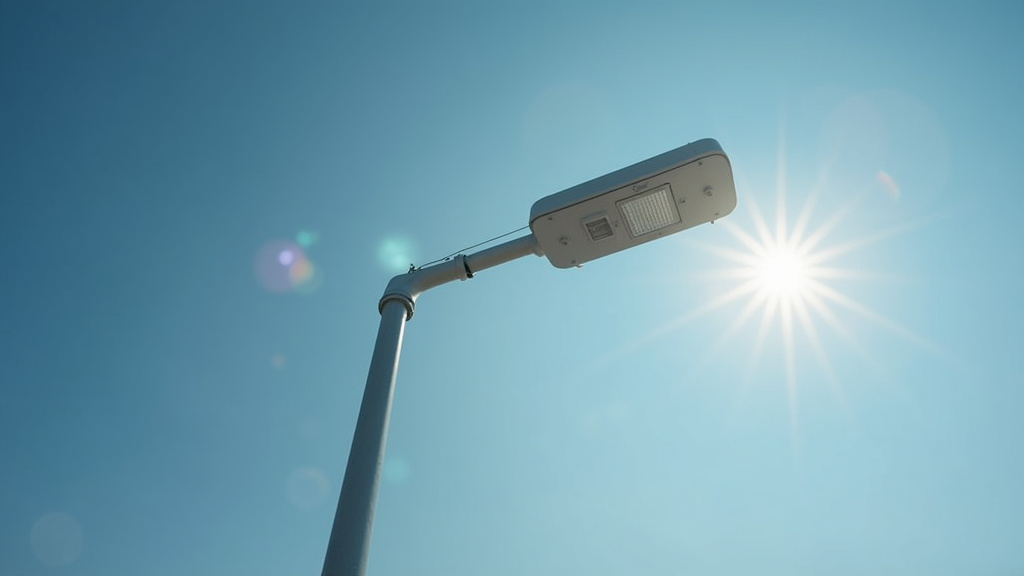
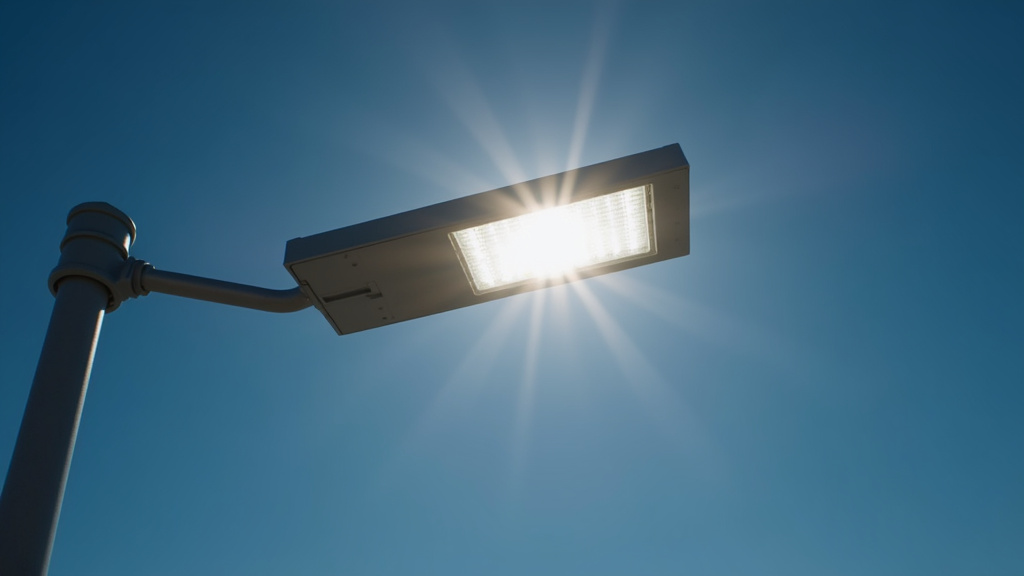
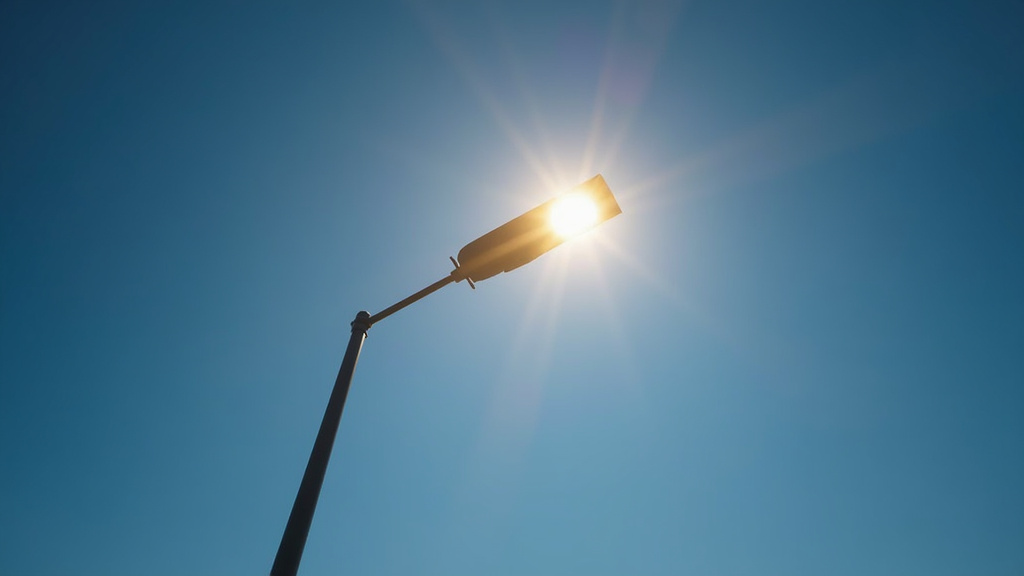
- Solar Street Lights: Designed for outdoor public spaces, these lights automatically turn on at dusk and off at dawn, providing efficient street illumination.
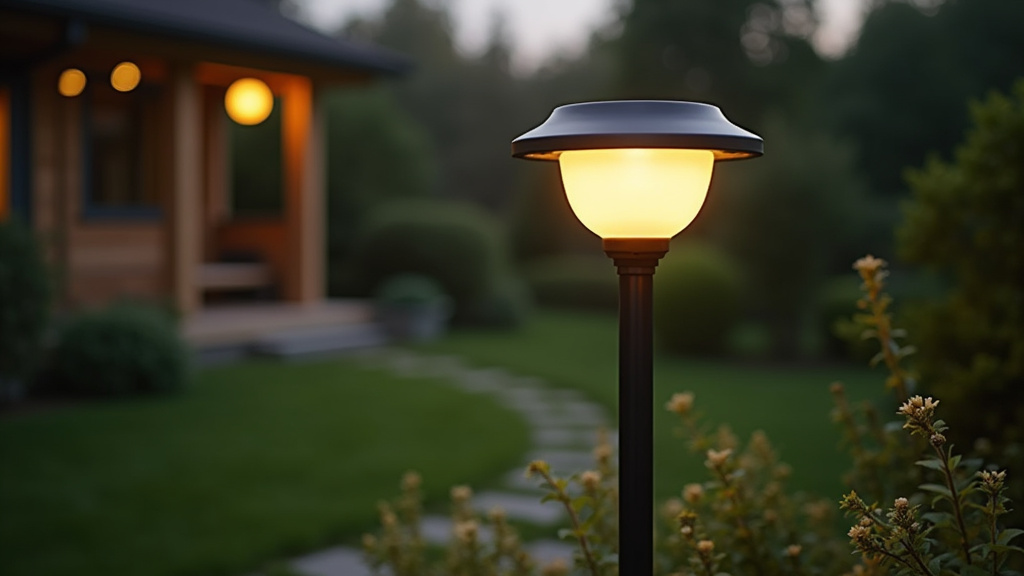
- Solar Area Lights: Ideal for driveways, patios, and gardens, these fixtures offer well-lit spaces while reducing energy consumption.
- Solar Task Lighting: Portable lamps and work lights powered by the sun, perfect for workshops, outdoor events, or emergency situations.
- Integrated Solar Lighting Systems: These systems seamlessly incorporate solar panels and lighting into buildings, walkways, and landscapes, offering both aesthetic appeal and functionality.
3. How much does a solar lighting system cost?
The upfront cost of solar lighting varies greatly depending on the size and complexity of the system, type of lights, and location. On average:
- Small-scale systems (under 1 kW): $500 - $2,000
- Medium-sized systems (1-10 kW): $2,000 - $10,000
- Large-scale commercial systems: $10,000 and up
Incentives and rebates are often available from local governments and utilities to offset installation costs.
4. Are solar lights as bright as traditional lighting?
Modern solar lights come in various brightness levels, ranging from subtle ambient lighting to powerful, floodlight-like options. Many high-quality solar fixtures utilize LED technology, offering bright, clear light comparable to conventional incandescent or fluorescent bulbs.
5. How long do solar panels last?
With proper care and maintenance, solar panels can last for 25-30 years or more. Most manufacturers offer warranties covering performance and material defects during this period.
6. What if it doesn't always shine where I live?
While sunlight is essential, cloud cover and darkness do not necessarily disable solar lights.
- Battery Storage: Many systems include batteries that store excess energy generated during sunny periods for use at night or during cloudy weather.
- Hybrid Systems: Combining solar panels with a backup electricity source ensures continuous lighting even when there's no sunlight.
7. How easy is it to install a solar lighting system?
Installation complexity depends on the size and type of system:
- Small-scale systems: Often relatively simple to do-it-yourself installations with minimal tools and hardware required.
- Larger systems: Usually require professional installation by experienced electricians.
8. Can solar lighting be integrated with smart home technology?
Absolutely! Many modern solar lights are equipped with smart features allowing control through smartphone apps, voice assistants like Alexa or Google Home, and scheduling for enhanced convenience and energy efficiency.
9. What are the benefits of using solar streetlights over traditional ones?
- Lower Operating Costs: Solar streetlights eliminate the need for electric grid connection, significantly reducing maintenance and electricity bills.
- Environmental Friendliness: Reduced carbon emissions contribute to cleaner air and a healthier environment.
- Energy Security: Communities gain control over their lighting infrastructure, lessening dependence on centralized energy sources.
- Enhanced Safety: Well-lit streets promote safety for pedestrians, vehicles, and property.
10. Where are solar streetlights being successfully implemented?
Solar streetlights have gained popularity worldwide, with successful deployments in:
- Remote Communities: Providing reliable lighting where grid electricity is unavailable or impractical.
- Urban Areas: Supplementing traditional streetlights to reduce energy consumption and lower maintenance costs.
- Rural Roads: Enhancing safety and accessibility on unpaved roads.
11. How do I choose the right solar lighting system for my needs?
Consider these factors:
- Lighting Requirements: Determine the desired brightness, coverage area, and operating hours.
- Budget: Set a realistic price range and explore available incentives.
- Location: Assess sunlight exposure, climate conditions, and potential obstructions (trees, buildings).
- Maintenance: Choose systems with low maintenance requirements and readily available replacement parts.
12. What are the future trends in solar lighting?
The field of solar lighting is constantly evolving:
- Improved Efficiency: Ongoing advancements aim to make solar panels more efficient at converting sunlight into electricity.
- Better Storage Technology: Developing batteries with higher capacity and longer lifespans will further enhance the reliability of solar systems.
- Integration with IoT: Increased integration with the Internet of Things (IoT) promises even smarter, more adaptive lighting solutions.
- Design Innovation: We can expect to see solar lights becoming increasingly aesthetically pleasing and customizable to blend seamlessly into various environments.
October 31, 2026
alertblitz
Solar lighting systems use the power of the sun to illuminate outdoor spaces, offering an eco-friendly alternative to traditional electricity. These systems are increasingly popular, with a global market growth…
Read more →
October 29, 2026
alertblitz
Solar lighting systems use the power of the sun to provide clean, efficient lighting solutions. They've gained popularity due to their environmental friendliness and reduced energy costs. These systems use…
Read more →
October 27, 2026
alertblitz
Solar lighting systems offer a 40-60% reduction in energy costs compared to traditional lighting, making them a cost-effective solution for businesses. The average solar panel can generate enough electricity to…
Read more →
October 13, 2026
alertblitz
Solar lighting systems harness the power of the sun to provide clean, renewable energy for lighting. They use photovoltaic cells to convert sunlight into electricity, which powers LED lights, reducing…
Read more →
October 12, 2026
alertblitz
Solar Lighting Systems harness the power of the sun to provide clean, renewable energy for outdoor lighting. These systems use solar panels to capture sunlight, which is then converted into…
Read more →
October 11, 2026
alertblitz
Solar lighting systems harness the power of the sun to provide clean, renewable energy for lighting. They use photovoltaic panels to convert sunlight into electricity, which then powers LED lights…
Read more →
October 10, 2026
alertblitz
Solar Lighting Systems harness the power of the sun to provide clean, free lighting. These systems use solar panels to convert sunlight into electricity, which powers LED lights during the…
Read more →
October 9, 2026
alertblitz
Solar lighting systems harness the power of the sun to provide clean, renewable energy for outdoor illumination. These efficient systems use photovoltaic cells to convert sunlight into electricity, which is…
Read more →
October 8, 2026
alertblitz
Solar lighting systems harness the power of the sun to provide clean, renewable energy for lighting. They use photovoltaic cells to convert sunlight into electricity, which is then stored in…
Read more →
October 7, 2026
alertblitz
Solar lighting systems harness the power of the sun to provide clean, renewable energy for outdoor lighting. These systems use solar panels to capture sunlight and convert it into electricity…
Read more →