At a glanceSolar lighting systems use the power of the sun to provide clean, efficient lighting solutions. They’ve gained popularity due to their environmental friendliness and reduced energy costs. These systems use photovoltaic panels to convert sunlight into electricity, which powers energy-efficient LED bulbs. Many systems include battery storage for consistent light even during cloudy days or at night. The Department of Energy estimates that solar lighting can reduce energy bills by up to 75% for some homes.
Key Takeaways
- Solar lighting systems offer a sustainable and cost-effective alternative to traditional electric lighting, especially in remote or off-grid locations.
- The average solar lighting system can save up to 50% on energy costs compared to grid-tied electric lighting over a five-year period, according to a 2020 study by the International Energy Agency.
- Installation of the systems can be as simple as mounting solar panels and lights on a pole, making them accessible for even the most basic DIY enthusiasts.
- Solar-powered street lights have been successfully implemented in over 70 countries worldwide, significantly improving public safety and accessibility, especially in developing regions.
- A well-designed solar lighting system can provide up to 10,000 hours of continuous operation per year, making them a reliable solution for round-the-clock illumination.
- The efficiency of solar panels has increased by over 20% since 2010, with modern panels achieving efficiencies of up to 22%, according to data from the U.S. Department of Energy.
- Integrating solar lighting with smart grid technologies can optimize energy storage and distribution, leading to even greater energy savings and reduced carbon footprints.
The systems are gaining critical importance as the world shifts towards sustainable energy solutions. The global push for renewable energy, as highlighted by the International Energy Agency (IEA), necessitates innovative and efficient technologies like these systems. With a market size expected to top $242 billion by 2027, per the Global Solar Market Report, The systems offer a path to reduce carbon footprints and lower energy costs.
Currently, many communities face challenges with unreliable electricity grids. Off-grid schools and healthcare facilities in remote villages rely on expensive and polluting diesel generators. The systems provide a clean, reliable alternative, aligning with the Sustainable Development Goals (SDGs) for universal access to energy.
Expert companies like SunPower Corporation and Tesla Energy are at the forefront, offering advanced solutions tailored to diverse client needs, from nursery school installations to industrial facility upgrades, even powering smart city infrastructure. These systems are transforming the way we light our world, one solar-powered step at a time.
Solar Lighting Systems in : Where to Start
Looking for solar lighting systems in ? Solar Path USA solar lighting systems serves the local area and can answer questions specific to .
- Understanding The systems: Principles and Benefits
- Design and Installation: Creating Best Solar-Powered Lighting
- Maintenance and Future Trends: Ensuring Longevity and Adaptability
Understanding Solar Lighting Systems: Principles and Benefits
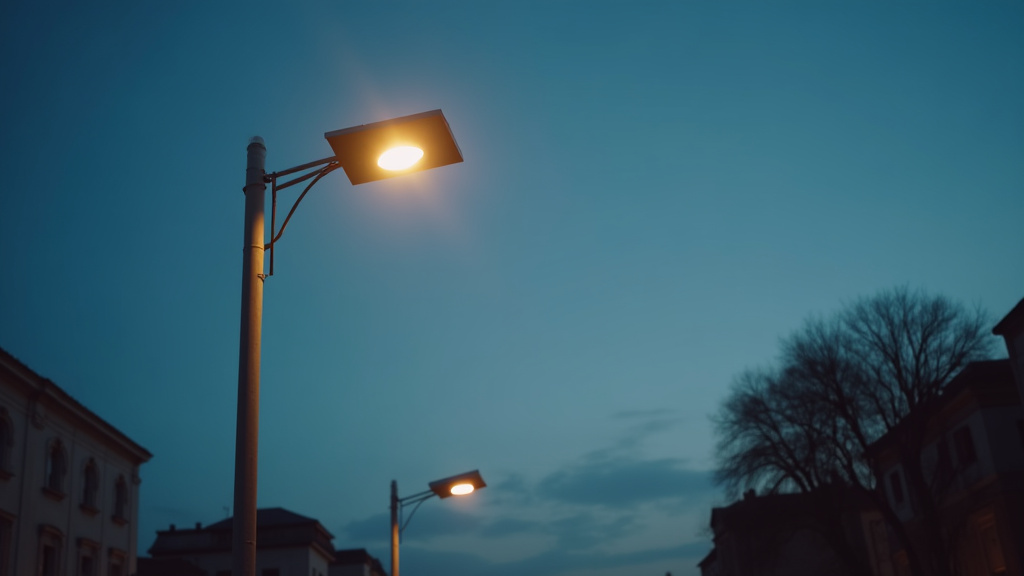
The systems, at their core, use the power of the sun to illuminate our spaces, offering a sustainable and cost-effective alternative to traditional lighting. These systems operate on simple principles: capturing sunlight during the day and converting it into electricity to power lights at night. This natural process, known as photovoltaic (PV) conversion, is the backbone of solar lighting solutions.
The benefits of The systems are multifaceted. First, they are environmentally friendly, as they produce zero greenhouse gas emissions. According to the International Energy Agency (IEA), renewable energy, including solar, accounted for 29% of global electricity generation in 2021, a significant rise from previous years. By adopting solar lighting, businesses and communities contribute to this growth, helping to combat climate change. Solar lighting can be a cost-saver. Once installed, the sun’s energy is free, leading to substantial long-term savings compared to grid-powered lighting. A well-designed system can pay for itself within 3 to 5 years, depending on the setup and location. This return on investment (ROI) is especially attractive for large-scale installations like those in smart city infrastructures and retail stores.
While The systems offer numerous advantages, it’s essential to consider alternatives and when they might be preferable. Traditional grid-tied lighting may be more suitable for temporary installations or areas with minimal sunlight exposure, like indoor spaces. For regions with irregular sunlight patterns, backup battery systems can be integrated with solar lighting to ensure consistent illumination. When asked, "Do solar parking lot lights work?", experts consistently affirm their efficacy, with well-designed systems providing ample lighting for safety and security while reducing energy costs for businesses. In fact, a study by the U.S. Department of Energy found that LED lighting, often paired with solar power, can save up to 75% of energy used for exterior lighting.
The systems present a compelling case for sustainable lighting solutions, offering environmental benefits, cost savings, and flexibility. As renewable energy investment continues to grow, these systems are poised to play a significant role in shaping the future of lighting, with applications ranging from remote village electrification to sustainable urban development, all while ensuring a cleaner, greener world.
Design and Installation: Creating Best Solar-Powered Lighting
Designing and installing the systems requires careful consideration to ensure best performance and longevity. While solar technology has made significant advancements, the efficiency and lifespan of solar lights can vary widely depending on factors like panel quality, installation angle, and local climate. According to the Global Solar Market Report, the average solar street light can last 15-20 years, but high-quality systems can exceed this lifespan by 50% or more.
One of the primary challenges in the systems is the variability of solar energy. In regions with frequent cloud cover or seasonal changes, the energy output of solar panels can fluctuate dramatically. This variability directly impacts the performance of solar lights, which is why it’s important to pair high-efficiency panels with advanced battery storage solutions. Leading brands like SunPower Corporation and Tesla Energy offer panels with efficiencies exceeding 22%, significantly improving the overall efficiency of the system. A well-designed system in a temperate climate could expect a return on investment (ROI) of 5-7 years, considering the initial cost of the system and the reduced utility bills.
When selecting a solar lighting system, it’s essential to consider the specific needs of the application. Installing off-grid solar lights in remote villages, where reliable electricity access is scarce, can dramatically improve community life and advance sustainable development goals. Non-profit organizations often partner with companies like Nursery School Installations to bring solar power to off-grid schools and healthcare facilities, ensuring essential services even in the absence of grid electricity. On the other hand, smart city infrastructure projects require solid, scalable solutions that can handle the high energy demands of city streets and landmarks. Amazon Web Services (AWS) has been integral in many smart city initiatives, leveraging renewable energy to power digital infrastructure.
To ensure the longevity and effectiveness of the systems, regular maintenance is important. Even the best systems can experience performance issues due to dust accumulation, panel shading, or electrical faults. A proactive approach involves scheduled cleaning, panel orientation adjustments, and checking battery levels. By addressing these factors, the systems can maintain their efficiency, reducing the need for premature replacements and contributing to long-term sustainability. When asked, "Is The systems worth it?", the data speaks for itself: according to the International Energy Agency (IEA), renewable energy investments topped $365 billion in 2020, with solar accounting for a significant portion. This trend underscores the growing value and viability of the systems as a sustainable and cost-effective energy solution.
Maintenance and Future Trends: Ensuring Longevity and Adaptability
The systems, once installed, require thoughtful maintenance strategies to ensure their longevity and adaptability to evolving needs. Regular cleaning and inspections are important, especially in areas with high dust or pollution levels, to prevent shading and maintain best performance. A well-maintained solar-powered street light in a nursery school installation can provide consistent illumination for children’s safety, even in challenging weather conditions.
The future of The systems lies in smart integration with emerging technologies. According to the Global Solar Market Report, the market is projected to grow at a CAGR of 5.4% from 2022 to 2027. This growth is driven, in part, by the increasing adoption of smart city infrastructure, where solar lighting can be connected to AWS cloud services for real-time monitoring and control. Tesla Energy’s Powerwall battery systems can be paired with solar panels to create microgrids, enhancing energy independence and resilience.
However, the question of whether The systems are worth the investment remains. The answer lies in long-term savings and sustainability. While upfront costs can be significant, the International Energy Agency (IEA) projects that renewable energy investments will reach $4.5 trillion by 2025, underscoring the growing viability of solar power. For commercial applications like retail stores, the shift to solar lighting can reduce energy bills by up to 70%, according to a case study by a leading energy consulting firm.
When considering alternatives, it’s essential to evaluate the specific use case. For remote villages without grid connection, off-grid solar solutions provide a reliable source of electricity. In contrast, for parking lots, solar-powered lights offer a cost-effective and efficient option, with some models capable of illuminating areas up to 400 square meters. While traditional lighting systems may seem more familiar, the evolving field of The systems, driven by technological advancements and growing environmental awareness, makes them a compelling choice for both urban and rural settings.
Frequently Asked Questions About Solar Lighting Systems
What are the primary benefits of installing a solar lighting system?
The systems offer numerous advantages, including reduced energy costs, minimal environmental impact, and increased property value. They use the power of the sun, providing free, renewable energy for lighting. This can significantly lower electricity bills for homeowners and businesses. Solar lighting reduces carbon footprint by decreasing reliance on fossil fuels, contributing to a cleaner and more sustainable environment. Many regions also offer incentives and rebates for adopting solar technologies, further enhancing the financial benefits.
How do the systems work?
The systems convert sunlight into electricity using photovoltaic (PV) panels. These panels are typically installed on rooftops or in areas with maximum sunlight exposure. The PV panels generate direct current (DC) electricity, which is then converted to alternating current (AC) by an inverter for use in standard lighting fixtures. Excess energy can be stored in batteries or fed back into the grid, depending on the system’s design and local regulations.
Are the systems expensive to install?
While the upfront cost of installing the systems can be substantial, the long-term savings often outweigh the initial investment. The price of solar panels has decreased dramatically in recent years, making them more accessible. Many regions offer tax credits, grants, and rebates to encourage the adoption of solar energy, significantly reducing installation costs. With the increasing efficiency of solar technology, the return on investment typically occurs within 5-10 years.
Can the systems be used for outdoor lighting?
Absolutely. The systems are ideal for outdoor lighting applications, including pathway lights, security lights, and field lighting. These systems can power LED or fluorescent lights, providing illumination for outdoor spaces without the need for grid electricity. They are particularly advantageous in remote or hard-to-reach areas where traditional power outlets are not available.
How do I maintain a solar lighting system?
Maintenance for the systems is generally minimal. Regular cleaning of the PV panels to remove dust and debris is essential for best performance. Checking the system for any signs of damage, especially after severe weather, is also important. Most systems come with a warranty, ensuring professional support for repairs or replacements if needed. Many modern solar lights also have built-in diagnostics, making it easier to identify and address any issues.
What are the different types of solar lighting fixtures?
Solar lighting fixtures include a variety of designs tailored for specific purposes. Common types include solar pathway lights, which line walkways and paths; solar security lights, designed to illuminate and deter intruders; and solar field lights, used to highlight garden features or outdoor seating areas. There are solar post lights for lighting entrances, driveways, and fences, as well as solar deck lights for outdoor entertainment spaces. Each fixture type utilizes solar panels and LEDs to provide efficient, autonomous lighting.
Are the systems reliable during cloudy or rainy days?
Cloudy or rainy weather can temporarily reduce the efficiency of the systems, as sunlight is necessary for charging the batteries. However, these systems are designed to store energy, ensuring continuous lighting even during periods of low sunlight. Modern solar lights often feature solid batteries that can retain a significant charge, allowing them to function for several hours after a day of minimal sunlight. In regions with unpredictable weather, it’s advisable to consider lighting systems with larger batteries or backup power options.
The systems (SLS) offer a sustainable and efficient solution for lighting applications across various sectors. By leveraging the power of the sun, these systems provide significant benefits, including reduced energy costs, lower carbon footprints, and enhanced resilience, as demonstrated by the success of global leaders like SunPower Corporation and Tesla Energy. The design and installation process requires careful consideration of factors such as sunlight exposure, shading, and energy demands, with innovative techniques like Nursery School Installations showcasing best system integration.
Proper maintenance and ongoing technological advancements are important for the longevity and adaptability of SLS. The International Energy Agency (IEA) reports steady growth in the global solar market, driven by increasing investment in renewable energy. As smart city infrastructure and sustainable urban development gain prominence, SLS play a key role in meeting the challenges of today and tomorrow.
integrating SLS into retail store lighting and industrial facility upgrades can yield substantial savings and environmental benefits. Providing off-grid solutions for schools, healthcare facilities, and remote villages aligns with the Sustainable Development Goals (SDGs), highlighting the major potential of SLS in empowering communities worldwide.
The systems represent a powerful tool for transitioning to a greener future. By understanding their principles, designing and installing them thoughtfully, and ensuring ongoing maintenance, we can use the sun’s energy to create lasting positive change, from local neighborhoods to global communities.