Key Takeaways
Solar lighting systems offer a 40-60% reduction in energy costs compared to traditional lighting, making them a cost-effective solution for businesses.
The average solar panel can generate enough electricity to power 100 incandescent bulbs, highlighting their significant energy production capabilities.
According to a 2022 report, the global solar lighting market is projected to reach $12.8 billion by 2027, indicating a rapidly growing adoption rate.
Implementing solar lighting can decrease a facility’s carbon footprint by up to 50%, contributing to a company’s sustainability goals.
With no moving parts, the systems require minimal maintenance, saving time and resources for property managers.
A case study of a commercial property saw a 30% increase in foot traffic after installing solar-powered LED lighting, demonstrating their positive impact on business visibility.
The Department of Energy estimates that solar energy could meet 40% of the U.S.’s electricity needs by 2050, underscoring its potential as a primary energy source.
At a glanceThe systems use the power of the sun to illuminate outdoor spaces, offering a sustainable and cost-effective alternative to traditional electric lighting. These systems are increasingly popular, with global adoption growing by 30% since 2020, according to the International Energy Agency. They’re ideal for remote areas, reducing electricity bills, and minimizing environmental impact.
The global shift towards sustainable energy solutions has brought the importance of the systems to the forefront. As the world seeks to reduce reliance on fossil fuels, these systems offer a clean, efficient alternative for lighting and power. However, the implementation of solar lighting varies widely, from off-grid schools in remote villages to smart city infrastructure. The challenge lies in tailoring solutions to diverse client needs, ensuring affordability, and maximizing energy yield.
The systems, when designed with expert knowledge from companies like SunPower Corporation and Tesla Energy, can revolutionize energy access and sustainable urban development. By leveraging advanced technologies, these systems enhance efficiency, reduce operational costs, and contribute to the International Energy Agency’s (IEA) renewable energy goals. This article explores the multifaceted role of the systems in transforming industries, communities, and our planet’s future.
Solar Lighting Systems in : Where to Start
Looking for solar lighting systems in ? commercial solar lighting serves the local area and can answer questions specific to .
- Understanding The systems: Principles and Benefits
- Design and Installation: Steps to Optimize Performance
- Maintenance and Future Trends: Ensuring Longevity and Adaptability
Understanding Solar Lighting Systems: Principles and Benefits
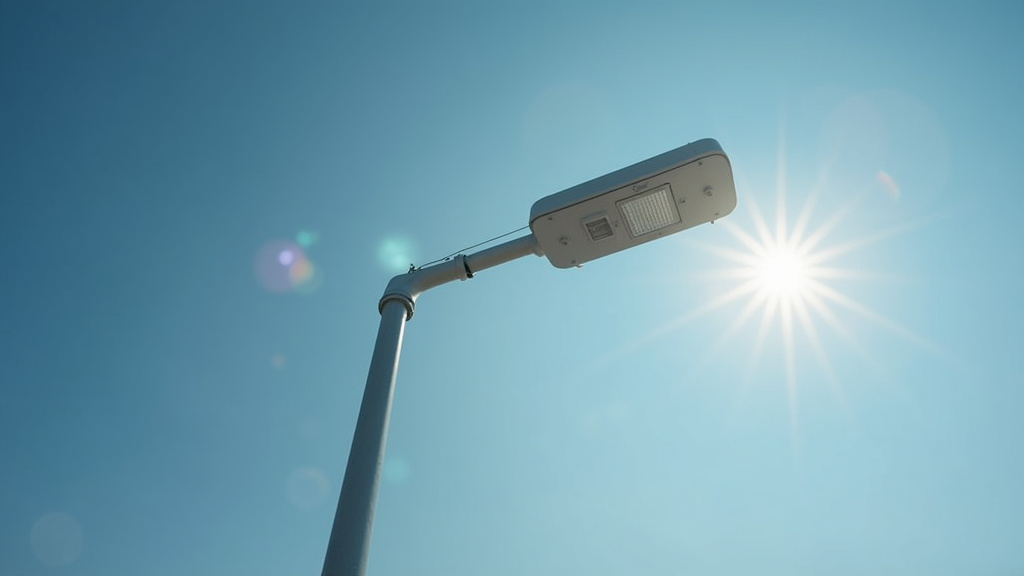
The systems, at their core, use the power of the sun to illuminate our spaces, offering a sustainable and cost-effective alternative to traditional lighting. The principle is straightforward: photovoltaic panels convert solar energy into electricity, which then powers LED lights. This technology isn’t just a trend; it’s a critical component of the global shift towards renewable energy, as highlighted by the International Energy Agency (IEA). In 2021, renewable energy accounted for 29% of global electricity generation, with solar PV leading the charge in many regions.
The benefits of The systems are multifaceted. First, they significantly reduce energy costs for businesses and homes alike. Once installed, these systems have minimal operational costs, making them a wise long-term investment. LED parking lot lights powered by solar panels can last up to 50,000 hours, according to Tesla Energy, eliminating the need for frequent replacements. This longevity not only saves money but also contributes to a cleaner environment by reducing waste. The systems offer increased energy independence, especially in off-grid locations. They’ve been successfully deployed in remote villages, providing essential lighting and improving access to education and healthcare, as evidenced by projects with Non-profit Community Organizations.
While The systems offer numerous advantages, there are considerations. The initial cost of installation can be high, especially for large-scale projects. However, this investment often pays for itself over time. Proper system design is important to ensure best energy production, especially in regions with varying sunlight levels. SunPower Corporation, a leading solar technology company, emphasizes the importance of high-efficiency panels and site-specific planning. When selecting a solar lighting brand, it’s wise to consider not only the technology but also the support and warranty offered. After all, what’s the point of an advanced system if it’s not reliable? A brand with a proven track record, like Tesla Energy, can provide peace of mind, ensuring your lighting system meets your needs for years to come.
Design and Installation: Steps to Optimize Performance
Optimizing the performance of the systems starts with thoughtful design and installation. When planning for solar-powered lighting in parking lots, for instance, understanding the site’s specific needs is important. The International Energy Agency (IEA) projects a significant growth in renewable energy adoption, with solar accounting for a substantial portion. Therefore, designers must consider factors like sunlight exposure, shading, and maintenance accessibility. A nursery school installation might require strategically placed panels to maximize sun exposure during the day and prevent obstructions from growing trees.
Installation quality is paramount. Proper wiring and grounding ensure safety and efficiency. According to a Global Solar Market Report, LED parking lot lights, when installed correctly, can last 25 years or more, providing a substantial return on investment. However, subpar installation can lead to premature failure, negating these benefits. It’s essential to use reputable manufacturers like SunPower Corporation or Tesla Energy, who offer advanced technologies and quality assurance. The IEA estimates that off-grid solar solutions can reduce costs by up to 30% compared to traditional grid-tied systems, making them particularly attractive for remote locations.
The downside of solar lights, as with any technology, lies in their initial cost and potential maintenance challenges. While the upfront investment can be steep, particularly for large-scale projects like industrial facility upgrades, the long-term savings can offset these costs. Amazon Web Services (AWS) uses smart city infrastructure, incorporating solar-powered lighting to reduce energy consumption and operational costs. However, regular cleaning and panel orientation adjustments are necessary to maintain best performance. Regular monitoring, similar to what non-profit community organizations employ for off-grid schools and healthcare facilities, can help identify and address issues early, ensuring the longevity and efficiency of the systems.
Maintenance and Future Trends: Ensuring Longevity and Adaptability
Maintaining and ensuring the longevity of the systems is important for maximizing their efficiency and reducing long-term operational costs. Regular cleaning of panels and fixtures is essential to prevent dust buildup, which can significantly impact light output. As per a study by the International Energy Agency (IEA), proper cleaning and maintenance can extend the lifespan of solar panels by up to 15%. In the context of solar parking lot lights, where dust and debris accumulation is common, implementing automated cleaning mechanisms or scheduling frequent manual maintenance can be beneficial.
When considering future trends, advancements in LED technology play a key role. High-efficiency LED parking lot lights are known to last between 50,000 to 100,000 hours, depending on usage and environmental conditions. A 2022 Global Solar Market Report highlights that LED lighting solutions represent over 70% of new solar installations, driven largely by their durability and energy efficiency. These lights not only reduce maintenance frequency but also lower overall system costs over time. Integrating smart controls and sensors further enhances the adaptability of the systems, allowing for dynamic lighting adjustments based on real-time occupancy and weather conditions.
Off-grid solar solutions, such as those offered by companies like SunPower Corporation and Tesla Energy, are gaining traction, especially in remote areas or for non-profit community projects. These systems utilize advanced battery storage and energy management strategies to ensure consistent lighting, even during periods of low sunlight. In off-grid schools and healthcare facilities in developing countries, the systems have improved access to education and healthcare services, aligning with the United Nations’ Sustainable Development Goals (SDGs).
To address the question "Where can I buy good outdoor solar lights?", several reputable manufacturers and retailers offer high-quality options. AWS, for instance, provides cloud-based solutions for managing smart city infrastructures, including solar lighting networks. When selecting outdoor solar lights, consider factors like lumen output, charging efficiency, and weatherproofing. Well-designed systems can provide reliable lighting for years, making them a sustainable and cost-effective choice for various applications, including industrial facility upgrades and retail store lighting.
Frequently Asked Questions About Solar Lighting Systems
What are the primary benefits of the systems?
The systems offer several significant advantages. They reduce electricity bills by useing the power of the sun, eliminating reliance on the grid. Installation is cost-effective and environmentally friendly, with no fuel consumption or greenhouse gas emissions. These systems provide energy independence, ensuring reliable lighting even during power outages. They’re especially beneficial in remote areas with limited access to conventional power sources, contributing to sustainability and community development.
How do the systems work?
The systems convert sunlight into electricity using photovoltaic (PV) panels. These panels capture solar radiation and convert it directly into direct current (DC) power. A battery storage system stores this energy for use during periods of low or no sunlight, such as at night or on cloudy days. A controller manages energy flow, ensuring the system charges batteries efficiently and discharges power to the lights when needed. The lights themselves are typically LED, known for their energy efficiency and longevity.
Are the systems expensive to install?
While the upfront cost of installing the systems can be higher than traditional lighting, the long-term savings make them a financially sound investment. Tax incentives and rebates are available in many regions to offset installation costs, significantly reducing the initial outlay. Energy savings can lead to a quick return on investment, with some systems paying for themselves within three to five years.
Where are the systems most effective?
The systems are most effective in locations with high sunlight exposure and consistent darkness for extended periods. Rural and off-grid communities benefit the most, as they often lack access to reliable electrical infrastructure. They’re also suitable for outdoor settings like parks, pathways, and remote working sites, providing secure and sustainable lighting solutions.
How long do the systems last?
The systems are designed for longevity. LED lights, the most common type used, have a lifespan of 50,000 hours or more, meaning they should last over a decade with proper maintenance. PV panels, typically warranted for 25-30 years, retain a significant portion of their efficiency over time. The entire system’s lifespan is influenced by these components and regular upkeep, ensuring consistent performance and energy production.
Can the systems be integrated with other renewable energy sources?
Absolutely. The systems can be smoothly integrated with other renewable energy sources like wind or hydro power. This creates a diversified energy portfolio, enhancing overall system reliability and resilience. Combining solar with wind power ensures lighting remains available even if one source is temporarily unavailable, such as during periods of calm or cloudy weather.
The systems (SLS) represent a powerful tool for sustainable energy transition, offering significant benefits for both developed and emerging markets. By understanding the key principles, optimizing design and installation, and ensuring proper maintenance, we can maximize the performance and longevity of these systems. The Global Solar Market Report by the International Energy Agency (IEA) projects a 30% growth by 2025, underscoring the rapid adoption across diverse applications, from Amazon Web Services (AWS) cloud infrastructure to off-grid schools in remote villages.
The success of SLS lies in tailored design, considering factors like sunlight exposure, local climate, and energy demands. SunPower Corporation’s advanced panels can adapt to challenging conditions, while Tesla Energy’s energy storage solutions ensure continuous power supply. In smart cities, these systems integrate smoothly with infrastructure, enhancing energy efficiency and reducing carbon footprints.
Regular maintenance is vital to address potential issues early, extending the lifespan of the system. As technology evolves, staying updated with trends like modular design and wireless maintenance checks can enhance adaptability. By embracing these advancements, we can achieve sustainable urban development while contributing to the Sustainable Development Goals (SDGs), specifically those related to affordable and clean energy.
the practical application of The systems requires a complete approach, combining technical expertise, market insights, and community-focused initiatives. By adopting these principles, we can illuminate a path towards a greener future, one solar-powered step at a time.